News
RCA news.
Feel free to read our news.

News

RCA WELCOMES FUNDING FOR ROADS, INFRASTRUCTURE

Regional Capitals Australia has today welcomed the release of details for the $500 million, Phase 4 – Local Roads and Community Infrastructure Program by the Australian Government.

The Government has released details of individual council allocations which will be available in July, with projects required to be delivered by June 2025.  Funding will be able to be spent on priority local road and community infrastructure projects.
 
Cr Kylie King, Regional Capitals Australia Chair, said the Local Road and Community Infrastructure Program was a very welcome and much required stimulus in regional Australia, particularly with the impacts of sustained weather events creating a crisis for the maintenance of local roads.
 
“In addition to the extreme weather events, councils are struggling with increased demands on their budgets due to inflationary cost blowouts, so federal assistance is welcome to help provide these important community projects,” Cr King said.
 
The Government has also announced the additional $250 million funded in the October budget will be used to support road projects in rural, regional and outer urban areas. This delivers on an election commitment.
 
The Government is committed to a robust methodology underpinning the determination of eligible councils for this $250 million in funding. Details about these allocations will be announced shortly.
 
Read the media release here.

RCA says more resources required in the regions

Ahead of the 2023 Federal Budget Regional Capitals Australia has headed to Canberra this week to make a call for increased resourcing to support regional growth.

Cr Kylie King, Chair of Regional Capitals Australia said regional Australia was defying predictions, continuing to experience population growth 15% higher than pre-pandemic levels.

“This year’s Federal Budget comes at a critical time for regional Australia, with many states recovering from natural disasters, skill shortages biting hard and budget blowouts due to the rising cost of materials and services” Cr King explained.

Regional Capitals Australia (RCA) has used its Pre-Budget Submission 2023-24 to call for a boost in infrastructure funding, including increasing the Local Roads and Community Infrastructure Program to $1 billion to deal with the major damage done to regional roads due to flooding over the past 12 months. 

RCA is also urging the Federal Government to also put the connectivity and culture needs of regional Australians on the agenda by providing funding for regional airports and arts and culture infrastructure.

Cr King said “In regional areas local government funds these important facilities which make our communities more liveable and connected, this is not the case in metropolitan areas – regional councils need support.”

“Regional Australia is the engine room of our nation’s economy and it’s so important that local government get the right level of investment for our regions to prosper and grow” Cr King pointed out.

A summary of the budget recommendations are as follows:

  • Population Policy: Develop a population policy that encourages regional growth, and supports international migration to regional areas.
  • Support for arts, culture: recognise the role of creative arts in contributing to liveability and population growth in regional Australia and ensure a greater share of the national arts and culture funding to grow local talent, attract more shows/exhibitions and fund arts venues;
  • Regional infrastructure:  deliver more reliable and consistent funding rounds exclusively for regional communities that meets their diverse needs and reflects the population growth and inflationary pressures on councils;
  • Better air connections: a regional aviation strategy to better connect regional cities to the nation as well as recurrent funding for the Regional Airports Fund;
  • Regional roads: increase Round 4 of the Local Roads and Community Infrastructure Program to $1 billion.
  • Financial stability: increase the Federal share of grant funding for regional projects where cost escalations (eg skills, labour, freight, materials) can be demonstrated.

“People are flocking to the opportunities and liveability offered by the regions, and we know that regional capital cities can be part of the solution of a more productive, liveable and fair Australia,” Cr King concluded.

RCA Announces New Board

Regional Capitals Australia (RCA) warmly welcomes our new Chair and Executive Board for 2023, following the recent Annual General meeting.

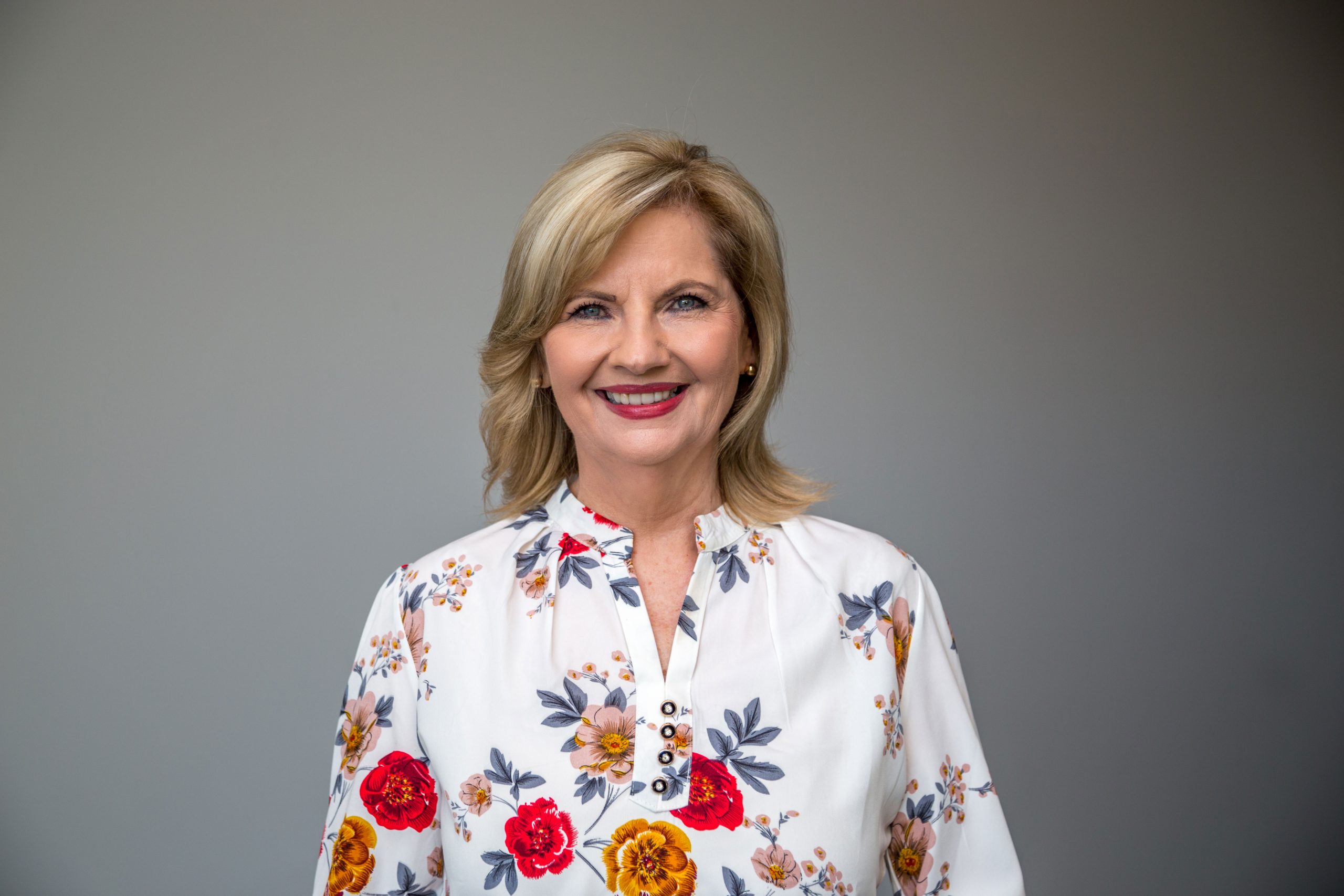
Cr Kylie King Mayor of Albury City Council (pictured) will take up the reins as Chair, with Mayor Jaysen de San Miguel from the City of Bunbury elected as Deputy Chair.

In her first statement as Chair Cr Kylie King said: “RCA plays an important role advocating on behalf of the 8 million people who rely on regional capitals, to ensure their needs are appropriately recognised in government policy.”

“As Chair, I will be working on a strong policy agenda that focuses on regional growth, economic resilience and continues to increase our liveability.”

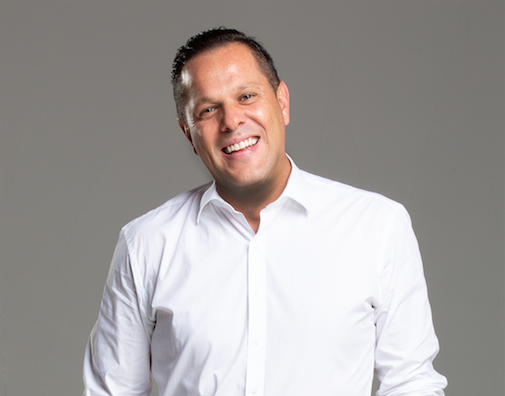
Cr King takes over from Cr Daniel Moloney who chaired RCA over the past 12 months.

Cr King credited Cr Moloney for his leadership saying “Cr Moloney’s advocacy for regional Australia and steadfast leadership during a federal election year is to be commended.” 

“It is an honour to be taking up the baton as Chair for 2023, and I look forward to championing the interests of our regional cities and the people who live there” Cr King said.

Additional Executive positions confirmed at the AGM were as follows:

  •  Secretary – Cr Mathew Dickerson, Mayor of Dubbo Regional Council; and
  • Treasurer – Mayor, Shane Van Styn, Mayor City of Greater Geraldton.

 State Representative Board positions confirmed were:

  •  New South Wales Regional Representative – Cr Doug Curran, Mayor of Griffith City Council;
  • Victorian Regional Representative – Cr Kellie O’Callaghan, Mayor of Latrobe City Council;
  • Western Australia Regional Representative – Cr Grant Henley, Mayor of the City of Busselton;
  • Queensland Regional Representative – Cr George Seymour, Mayor of Fraser Coast Regional Council; and
  • Northern Territory Regional Representative – Mayor Matt Paterson, Alice Springs Town Council.

RCA welcomes first Albanese budget

Regional Capitals Australia (RCA) has welcomed the release of the Albanese Government’s first Federal Budget, which includes new funding programs for regional Australia.

RCA Chair Cr Daniel Moloney said the budget included two new initiatives for regional Australia, the Growing Regions Program and the Precincts and Partnerships Program which are replacement programs, in addition to funding for regional telecommunications, roads and housing.

“This budget is a welcome step to help regional cities access better telecommunications, upgrade essential roads and deliver more regional housing” Cr Moloney said.

Key initiatives announced that impact Regional Capital Cities include:

Regional Funding Programs

Two new regional programs totalling $1 billion:

  • Growing Regions Program: new opportunities for regional local councils and not-for-profit organisations through an annual open, competitive grants process; and
  • Regional Precincts and Partnerships Program: to support community and place-based investment in rural and regional Australia, through both a competitive grants program and collaborative partnerships program.

These programs will replace the Building Better Regions Fund (round 6 projects will not be funded).

City and Regional Deals

  • Funding will continue for the existing City and Regional Deals, including $80 million to support projects in the Albury-Wodonga region.

Roads

  • Local Roads and Community Infrastructure Fund: $250 million for Phase 4 of the Local Roads and Community Infrastructure Program to support local councils.
  • Road Safety Program: $3 billion (total nationwide) to continue through to mid-2025.

Zero Emissions          

  • Powering the Regions Fund (from 2022–23) with $1.9 billion allocated to assist industries, regional Australia and communities with the transition to net zero emissions.

Digital Connectivity

  • NBN Upgrades: 660 extra homes in regional Australia will receive full fibre upgrades;
  • Mobile Base Stations: $400 million (over 5 years from 2022–23) to support the roll out of mobile base stations to improve highway and underserviced community mobile coverage;
  • Regional Connectivity Program: $200 million (over 5 years from 2022–23) to fund the delivery of telecommunications infrastructure to improve digital connectivity in regional, rural and remote Australia; and
  • Mobile Black Spots Program: $40 million (over 3 years from 2022–23) to implement commitments for new mobile infrastructure to improve mobile coverage and reception quality across Australia.

Skills and Training

  • Vocational Education and Training: $921.7 million (over 5 years from 2022–23) to address skills shortages including providing 480,000 fee-free Technical and Further Education (TAFE) and vocational education places in industries and regions with skills shortages.

Disaster and Resilience

  • Resilience State Government: $200 million per year (from 2023–24) to co-contribute in support of resilience projects nominated by the state and territory governments to strengthen Australia’s disaster readiness and resilience; and
  • Resilience Local Government: $30.4 million in 2022–23 to implement disaster resilience initiatives across 30 local government areas.

Regional Health (specific to the regions)

  • Increasing local care options: $143.3 million (over 4 years) to support access to healthcare in rural and regional areas by investing in primary care services, training, workforce incentives and trials for innovative models of care.

Regional Housing

  • Regional First Home Buyer Guarantee: 10,000 new homeowners each year supported to buy a home.

National Reconstruction

  • National Reconstruction Fund: $15 billion to finance projects that expand our industrial base, diversify our economy, create sustainable, well-paid jobs, and grow our regional centres. 
  • Co-investments in 7 priority areas: resources; agriculture, forestry and fisheries sectors; transport; medical science; renewables and low emission technologies; defence capability; and enabling capabilities.

“We look forward to working with the Federal Government on the development of the guidelines for these new regional funding programs and we have already undertaken consultation with our members to help inform this process” Cr Moloney explained.

“We congratulate the Federal Government on the release their first Budget at a time when our communities and businesses are under a significant level of stress from cost of living, access to workforce and many are experiencing the ongoing impacts of major weather events” Cr Moloney concluded.

Regional Capitals welcome increase to migration

Regional Capitals Australia (RCA) has welcomed today’s announcement by the Albanese Government that Australia’s permanent migration cap will be increased, saying it is a welcome step for businesses currently struggling with crippling labour shortages.

RCA Chair and Mayor of Ballarat Cr Daniel Moloney said “We congratulate the Government on today’s commitment to increase permanent migration, and thank them for listening to the collective voices of regional Australia.”

Today at the Jobs and Skills Summit the Government announced that:

  • Australia’s permanent migration cap will be increased by 35,000 to 195,000 for this financial year;
  • Regional Australia will have access to 34,000 permanent migrants, an increase of 9,000; and
  • Post-study work rights for foreign graduates of Australian universities will also be increased by two years in areas of skills shortages.

Regional Capitals Australia have been advocating for this outcome as part of our push for a national population policy that seeks to attract more people to live and work in our member cities. 

Regional Capitals Australia made the case at the National Skills Summit Regional Roundtable – hosted by Minister for Infrastructure, Transport, Regional Development and Local Government the Hon Catherine King MP, that an increase to regional visa streams for skilled work and education visas was key to this task.

Cr Moloney said “With nearly 87,000 job vacancies recorded in July across regional Australia we know that this isn’t a quick fix, and we will continue to work with the government on broader initiatives to meet the skills needs of our regions.”

AUSTRALIA ON CUSP OF REGIONAL REVOLUTION

Op Ed by Cr Daniel Moloney, Chair of Regional Capitals Australia and Mayor of the City of Ballarat


In media comments recently, the Business Council of Australia said that in order to achieve lasting nation-changing reform, we had to ‘unleash the regions’.

These are interesting comments given that in years past, the common perception of regions was that they were laggards – sleepy hollows where time stands still and blowflies outnumber people.

They were not considered industrial giants, innovation hubs or our nation’s economic epicentre.

Until now.

We know that Australia’s economy was safeguarded from the impacts of the global pandemic due to our strong and resilient regional economies.  While capital cities struggled with ongoing lockdowns, our regions kept supply chains moving and export trade buzzing.

People voted with their feet, drawn by the lifestyle, affordability and career options in regional cities. This caused an uptake in migration from capital cities to regional Australia by over 16 per cent in the March quarter of 2022. Data from the Regional Australia Institute indicates that there were nearly 85,000 job vacancies in regional Australia in April this year, up nearly 25 per cent compared to the previous year.

In years past Australia rode on the sheep’s back and now we are surfing the wave of regional diversity.  Regional hubs are powerhouses of industry, tapping into their unique natural assets and playing to their strengths to value-add locally and trade globally.

For example, mining and agriculture thrive in the Geraldton and Kalgoorlie-Boulder regions in Western Australia while the Northern Rivers of New South Wales has strong capabilities in food processing, manufacturing and tourism.  The Latrobe area of Victoria has a wealth of opportunities in energy, manufacturing and food production. The Hunter is a supply chain and logistics hub, while the Orana region of New South Wales is a destination for mining and agriculture.

It’s an exciting time for innovation and investment, with regional Australia ripe with opportunity and diversity.  Policy makers are starting to realise the untapped potential of regional investment, and the long-term benefits for national productivity.

In September, our nation’s leading minds will come together for a Jobs and Skills Summit, aiming to deliver a consensus on wages, economic growth and productivity.  Given that two thirds of our export earnings are derived from regional Australia, the regions must be front and centre to this debate.

We know that the growth of regional Australia is inextricably linked to the performance of the national accounts.   Unfortunately, housing, skills, and lack of investment in critical infrastructure continue to hamper regional cities.

With Australia teetering on the economic brink, time is of the essence.  All levels of government must work together to deliver a strong regionalisation agenda, with deliberate and targeted measures for sustainable change.

RCA Presses Reset

Regional Capitals Australia (RCA) has pressed the reset button on its policy agenda, emerging from extensive planning discussions this week with a strong platform to further the economic and social development of regional capitals.

Led by Chair and Mayor of Ballarat Cr Daniel Moloney and supported by leading Mayors and CEO’s from across Australia, Regional Capitals Australia have developed key strategic priorities on which to engage the new Albanese government. 

While RCA will have a continuing focus on population, skills, connectivity and liveability investment, the peak alliance will have an immediate focus on:

1) Housing: there are current challenges in our member cities right across the spectrum including social, key worker, infrastructure worker accommodation and the broader rental and general supply.  These challenges are impeding the social and economic development of our communities and need to be addressed urgently.

2) Economic diversity: regional capitals are seeking to ensure that the Albanese Government’s commitment to renewables provides the opportunity to diversify regional economies and the active contribution to net zero objectives. 

The opportunities for microeconomic reform and productivity growth lie strongest in regional Australia, with two thirds of Australia’s export earnings derived from regional industries.  History has demonstrated that a boost to regional economic development contributes to the prosperity and economy of all Australians.

Regional Capitals Australia will be advocating to the Albanese Government as regional development and budget priorities are decided in the lead up to the October Budget.


RCA Welcomes New Albanese Government

Regional Capitals Australia has congratulated the Hon Anthony Albanese MP and the Australian Labor Party on a historic victory that will see them take office and provide new leadership for the country.
 
“The people of Australia have had their say and given the incoming government a fresh mandate,” Chair of Regional Capitals Australia and Mayor of Ballarat Cr Daniel Moloney said.
 
“We would like to partner with the new members of the Albanese Cabinet to progress the growth and development of our member regional capital cities,” Cr Moloney said.
 
“Our nation’s economic prosperity is founded upon the strength of regional Australia and our member cities stand ready to ensure this strength can be built upon with our new leaders ” Cr Moloney declared.
 
Regional Capitals Australia congratulated all the incoming Members and Senators on their successful election and looks forward to working closely with them to ensure the future of regional capitals across Australia.

An Ode to the Undecided

Amidst the high vis photo ops, campaign manoeuvres and the focus on ultra marginal seats it can be tricky to decipher the big visions and commitments outlined for regional Australia.

Our electorates are diverse, expansive and sometimes misunderstood in election campaigns that only allow for 15 second sound bites.

To help, we’ve done the heavy lifting and compared the major parties on the big issues that matter to regional capital cities.

In a welcome move, both parties have come out strong on digital connectivity with the Coalition committing $1.3 billion and the ALP promising to invest $1.1 billion to improve both coverage and connectivity in regional and rural Australia.

Equally, Labor and the Coalition have made specific promises to help 10,000 regional home buyers each year through the use of government mortgage guarantees.  

Both parties have committed $500 million for the important Local Roads and Community Infrastructure Program in 2022-23, with the ALP going one step further and promising to expand the program by an additional $250 million.

A key policy difference is the Coalition’s $2 billion Regional Accelerator Fund, a new fund to create diversified economic opportunities regional businesses.  Conversely, the ALP will reserve $500 million from its proposed $15 billion National Reconstruction Fund to support agriculture and regional businesses to enter new markets.

At a big picture level Labor has committed to re-establishing the Regional Development Australia committees and while the Coalition also intends to keep these committees it has also outlined a vision of great inland regional cities, funded through a $500 million commitment (part of the Regional Accelerator Fund).

Both Labor and the Coalition have also made significant promises on regional jobs, health, education, skills and infrastructure.  More detailed election analysis is available on the Regional Capitals Australia Election Tracker.

While both sides of politics have committed to important programs for regions, a strong path forward beyond funding cycles will be key to regional Australia’s future. 

Regardless of who takes office, Regional Capitals Australia will be looking to work with other regional organisations such as the National Farmers Federation, Business Council of Australia, Regional Australia Institute, Rural Universities Network and Rural Doctors Association of Australia to make sure there are plans in place for each of our members to thrive. 

On that note on behalf of our members, we would like to say good luck to all the candidates and we look forward to working with whoever is elected once Australia has had their say.

By Cr Daniel Moloney, Chair of Regional Capitals Australia and current Mayor of the City of Ballarat.

Budget backs race to regions

Regional Capitals Australia (RCA) has welcomed the release of the 2022-2023 Federal Budget, which includes new funding to improve telecommunications and infrastructure in regional Australia.

RCA Chair, Cr Daniel Moloney said the budget included much-needed funding to back the national trend toward regional living, particularly in the wake of record-breaking regional growth that was revealed today.

“This budget will help connect regional cities through better telecommunications, roads and community infrastructure,” Cr Moloney said.

Key initiatives announced that impact Regional Capital Cities include:

Regional Infrastructure Programs

$7.1 billion (over 11 years) Energy Security and Regional Development Plan:  the creation of four regional hubs:

  • Northern Territory: manufacturing and renewable energy
  • North and Central Queensland:  water infrastructure for agriculture
  • Pilbara region in Western Australia: mining, mineral processing, manufacturing, hydrogen and renewable energy
  • Hunter region in New South Wales: increasing supply chain efficiencies
  • $2 billion (over 5 years) Regional Accelerator Program: for local priorities in infrastructure, manufacturing and industry development, skills and training, research and development, and education.
  • $83.2 million (over 5 years) for the Albury Wodonga Regional Deal;

Telecommunication
New $1.3 billion telecommunications package including:

  • $800 million (over 5 years): Mobile Black Spot Program and the Regional Connectivity Program
  • $480.0 million for NBN Co: upgrade its fixed wireless and satellite network
  • $4.8 million: Mobile Network Hardening Program to fund resilience upgrades in regional Australia.

 National: Regional Roads

  • $500 million (until 2024) Local Roads and Community Infrastructure Program: an extension of the program (total investment in the program is $3.0 billion); and
  • $40 million (over 4 years) bridges Renewal Program: an extra $10 million per year for this fund.

State Investment – Rail and Roads
New South Wales 
Statewide road and rail projects including:

  • $1.0 billion for the Sydney to Newcastle – Tuggerah to Wyong Faster Rail Upgrade
  • $336 million Pacific Highway – Wyong Town Center
  • $264 million Newell Highway Upgrade – Heavy Duty Pavement Upgrades – North Moree
  • $336 million Pacific Highway – Wyong Town Centre
  • $264 million Newell Highway Upgrade – Heavy Duty Pavement Upgrades – North Moree
  • $100 million Southern Connector Road, Jindabyne
  • $51.2 million Central Coast Highway Upgrade – Tumbi Road Intersection Upgrade
  • $352 million Milton Ulladulla Bypass
  • $30 million Tenterfield to Newcastle – Future Priorities

Victoria
Statewide road and rail projects including:

  • $3.3 billion Melbourne Intermodal Terminal Package (including)
    • $1.2 billion for Beveridge Interstate Freight Terminal in Beveridge
    • $740 million for Western Interstate Freight Terminal in Truganina
  • $45 million Ballarat to Ouyen – Future Priorities

Queensland 
Statewide road and rail projects including:

  • 1.6 billion for the Brisbane to the Sunshine Coast – Beerwah-Maroochydore Rail Extension
  • $190.0 million for the Mount Isa to Rockhampton Corridor Upgrade
  • $114.4 million for the Tennant Creek to Townsville Corridor Upgrade
  • $68.5 million Cooktown to Weipa Corridor Upgrade
  • $36.2 million Gore Highway (Millmerran – Goondiwindi) Wyaga Creek Flood Improvement

Western Australia 
Statewide road and rail projects including:

  • $320 million for Stages 2 and 3 of the Bunbury Outer Ring Road
  • $178 million for Stages 1 and 2 of the Pinjarra Heavy Haulage Deviation
  • $145 million Thomas Road – Dual Carriageway – South Western Highway to Tonkin Highway and interchange at Tonkin Highway
  • $140 million Regional Road Safety Upgrades
  • $200 million for the Tonkin Highway Stage 3 Extension

Northern Territory
Statewide road and rail projects including:

  • $132 million Central Australian Tourism Roads
  • $50 million Alice Springs to Halls Creek Corridor Upgrade (Northern Territory) – Future Priorities

Water

  • $433 million Dungowan Dam and pipeline (impacting Tamworth)
  • $5.4 billion Hells Gate Dam (impacting Townsville)
  • $483 million Urannah Dam and pipeline (impacting Central Qld)

Housing

  • Regional Home Guarantee – providing up to 10,000 places each year for next 3 years to support first homebuyers to in regional areas.

Regionalisation

  • $15.2 million (over 7 years) to deliver regional public service hubs

Regional Health and Aged Care

  • $150.3 million to support medical training in rural and regional Australia
  • $66 million to improve access to MRI services

“We congratulate the Federal Government on the release of this important Budget at a time when our member cities are recovering from the impacts of both COVID-19 and natural disasters,” said Cr Moloney said.

“With the once-in-a-generation population shift that is occurring across regional Australia, we must also ensure we can make the most of this historic change,” Cr Moloney explained.

New figures released today by the Australian Bureau of Statistics show that the population of regional Australia grew by 70,900 people during 202/21,the first time in 40 years that Australia’s regional population grew more than the capital cities.

“We are calling on the Federal Opposition to use their budget reply speech to put regional Australia on the map and ensure the growth and prosperity of our member cities for generations to come,” Cr Moloney concluded.

1 6 7 8 9 10 20